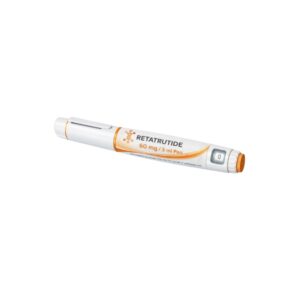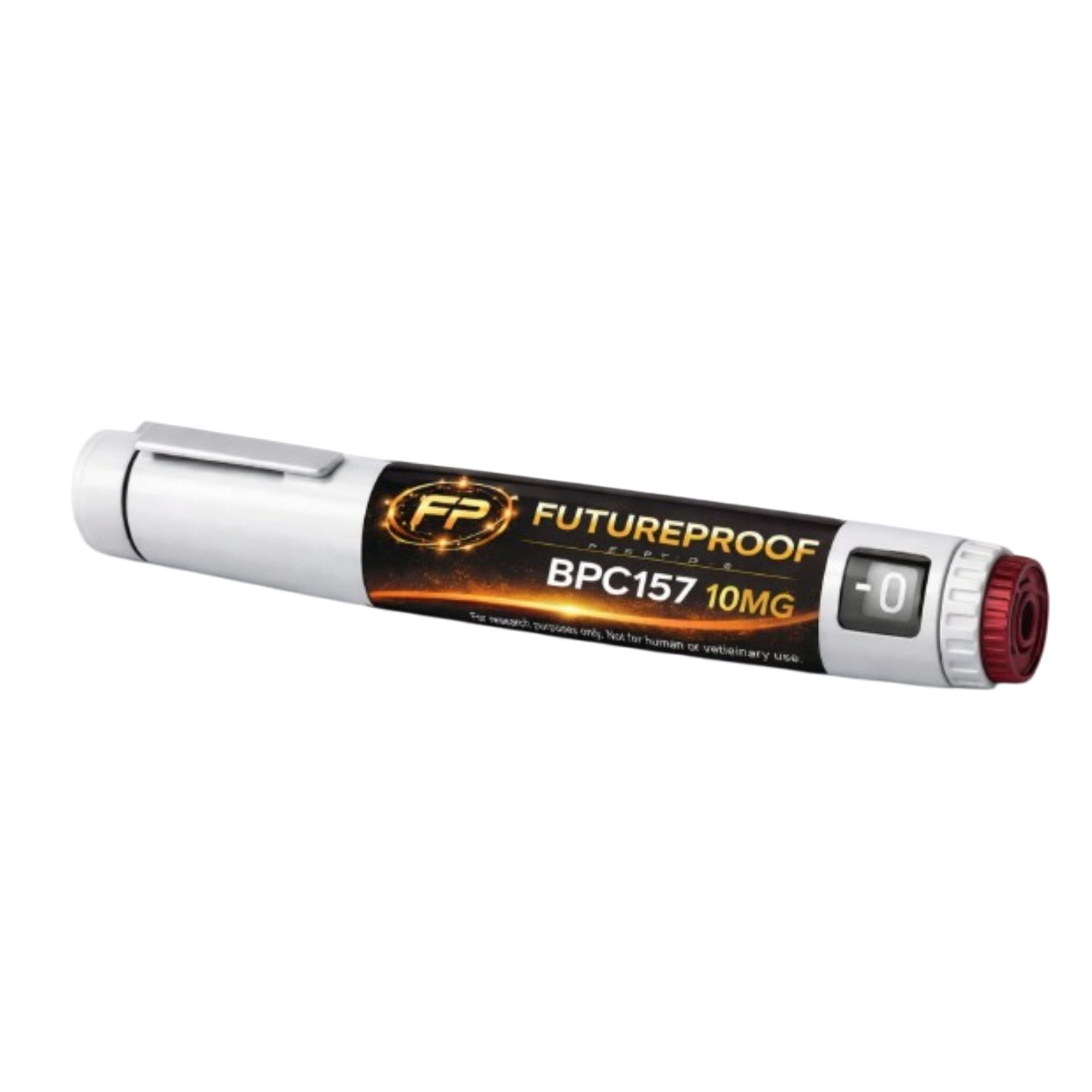
Our BPC-157 10mg pen contains a pre-filled supply of research-grade BPC-157, offering laboratories a convenient alternative to traditional peptide vials. By removing the need for manual reconstitution before use, the pen simplifies preparation and helps maintain consistent handling throughout experimental protocols.
Interest in BPC-157 continues to grow across peptide science as researchers investigate its behaviour within experimental models involving cellular signalling, extracellular matrix dynamics, angiogenesis and musculoskeletal biology.
Rather than focusing on a single pathway, current studies explore how the peptide interacts with multiple biological systems under controlled laboratory conditions.
Our BPC-157 10mg pen is supplied exclusively for laboratory research and analytical testing. It is not intended for human or veterinary use and should only be handled by appropriately qualified personnel.
Why Choose A Pre-Filled Research Pen?
Conventional peptide vials require preparation before laboratory use, including mixing with bacteriostatic water and transferring the solution into suitable research equipment. These additional preparation stages introduce more handling time and increase workflow complexity.
The pre-filled pen format removes these initial preparation requirements, allowing researchers to begin experimental procedures more efficiently. This makes it particularly useful for laboratories carrying out repeated investigations where standardised handling methods are important.
Researchers who already use vial presentations may also find the pen format beneficial when reducing preparation time without changing the underlying research material.
Pen Vs Vial
Both formats contain the same research peptide. The main differences relate to preparation and day-to-day laboratory handling.
| Feature | BPC-157 Pen | BPC-157 Vial |
|---|---|---|
| Preparation | Pre-filled before delivery | Requires reconstitution |
| Workflow | Minimal setup required | Additional preparation steps |
| Handling Time | Reduced | Longer preparation process |
| Storage After Opening | Refrigerated | Refrigerated following reconstitution |
The preferred format will depend on the objectives of each laboratory and the design of individual research protocols.
Understanding BPC-157
BPC-157 is a synthetic pentadecapeptide derived from a protein fragment originally identified within gastric juice. Since its discovery, it has attracted considerable scientific attention due to the broad range of biological processes investigated in published research.
Experimental studies have explored interactions involving fibroblast activity, vascular signalling, collagen synthesis, nitric oxide pathways and cellular communication. These investigations have helped establish BPC-157 as one of the most extensively studied peptides within regenerative biology research.
Current Areas Of Investigation
Published literature continues to examine BPC-157 across numerous experimental fields, including:
- Angiogenesis and vascular development
- Collagen production
- Fibroblast activity
- Musculoskeletal research models
- Tendon and ligament investigations
- Nitric oxide signalling
- Gastrointestinal biology
- Cell migration and communication
Research also continues to examine inflammatory signalling pathways and molecular responses following experimental injury.
Some published studies suggest BPC-157 may influence mechanisms associated with inflammatory regulation, although these findings remain limited to laboratory research and require further investigation.
Manufacturing & Quality
Every BPC-157 10mg pen is manufactured using high-purity research-grade peptide material before undergoing quality control procedures to verify identity and purity. Batch testing supports consistency across production while helping laboratories obtain reproducible research materials.
We supply products intended exclusively for scientific investigation and analytical testing carried out within professional laboratory environments.
Future Scientific Interest
As peptide science continues to develop, researchers are expanding investigations into how BPC-157 interacts with wider biological networks rather than isolated pathways.
Advances in molecular biology, transcriptomics and proteomics are providing new opportunities to study peptide activity with greater precision than previously possible.
Ongoing work will continue improving scientific understanding of peptide behaviour while contributing to the growing body of published experimental literature.
Research Use Only
This product is supplied strictly for laboratory research and analytical testing. The information provided is for educational purposes relating to published scientific literature only. This is not intended for human consumption, veterinary use, diagnosis or therapeutic application.